
Peptides for sale In USA, Research peptide For Sale
Peptide Reconstitution Guide – Step by Step for Beginners
Apr
Peptide Reconstitution Guide – Step by Step for Beginners
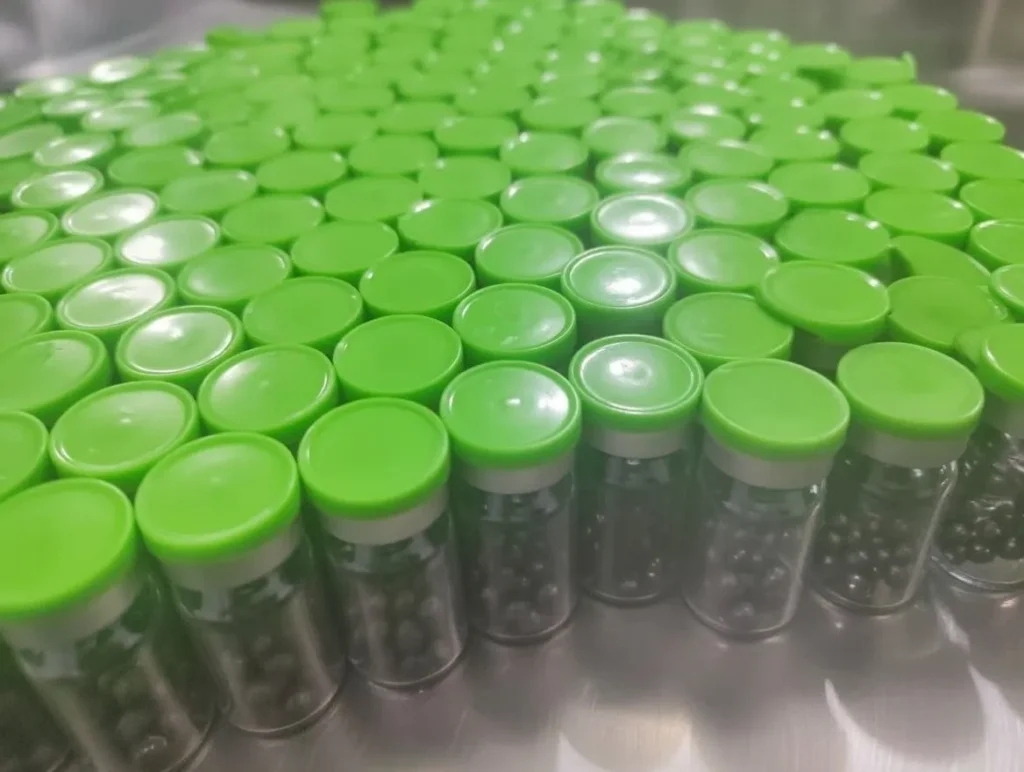
You received your lyophilized peptide vial. It looks like a dry powder disk at the bottom. Now what? Learning how to reconstitute peptides correctly is the single most important skill for any researcher. Get it wrong, and you degrade your material before the first experiment. Get it right, and you ensure consistent, reproducible results. This peptide reconstitution guide walks you through every step – from choosing the right diluent to calculating final concentrations – so you never waste another vial.
Important: This guide is for laboratory research use only. Peptides are not for human consumption.
What You Need for Peptide Reconstitution
Before you learn how to reconstitute peptides, gather these supplies. Using the wrong tools introduces contaminants or degrades your peptide.
Essential supplies:
-
Bacteriostatic water (0.9% benzyl alcohol) – Preferred for multiple withdrawals
-
Sterile saline or sterile water – For single-use experiments
-
Insulin syringe (1mL, 29-31 gauge) – For accurate measurement
-
Alcohol wipes – For sterilizing vial tops
-
Sterile empty vial – If transferring to smaller aliquots
-
Gloves – Prevents contamination from skin oils
What NOT to use:
-
Tap water (contains chlorine and minerals)
-
Regular bottled water (not sterile)
-
Non-sterile syringes or needles
-
Old or expired diluents
Bacteriostatic water is the gold standard for research peptide reconstitution because the benzyl alcohol prevents bacterial growth in the vial.
Step-by-Step Peptide Reconstitution Process
Follow these steps exactly. Rushing or skipping steps compromises your research material.
Step 1 – Gather and Prepare
-
Wash your hands and put on gloves
-
Remove the plastic flip-top cap from your peptide vial
-
Wipe the rubber stopper with an alcohol wipe
-
Let it dry completely (5-10 seconds)
-
Do the same for your bacteriostatic water vial
Step 2 – Draw the Diluent
-
Take your insulin syringe
-
Draw air into the syringe equal to the amount of liquid you’ll inject
-
Insert needle into the bacteriostatic water vial
-
Inject the air (prevents vacuum)
-
Draw the correct amount of bacteriostatic water (see dosage section below)
-
Remove needle. No bubbles? Good. Tap out any bubbles.
Step 3 – Inject into Peptide Vial
-
Insert needle into the peptide vial through the rubber stopper
-
Aim the needle against the inside glass wall – NOT directly at the powder
-
Slowly inject the diluent down the glass wall
-
Do NOT shake the vial (more on this below)
Step 4 – Dissolve Gently
-
Remove the needle
-
Gently swirl the vial in a circular motion
-
Do NOT shake – shaking denatures peptides
-
Let it sit for 1-2 minutes
-
Check that all powder has dissolved
-
If not, swirl gently again
Step 5 – Store or Use
-
Refrigerate immediately (4°C / 39°F)
-
Label the vial with peptide name, date, concentration, and batch number
-
Use within 30 days for best results
Never freeze reconstituted peptide. Freeze-thaw cycles destroy peptide structure.
Calculating Final Concentration (mg to Units)
This is where many researchers get confused when learning how to reconstitute peptides. Let’s simplify.
The basic formula:
Concentration (mg/mL) = Total peptide (mg) ÷ Diluent volume (mL)
Example 1 – BPC-157 5mg vial:
-
You add 2mL bacteriostatic water
-
5mg ÷ 2mL = 2.5mg per mL
-
On a 1mL insulin syringe (100 units), each 10 units = 0.1mL = 0.25mg
Example 2 – Semaglutide 10mg vial:
-
You add 2mL bacteriostatic water
-
10mg ÷ 2mL = 5mg per mL
-
Each 10 units = 0.1mL = 0.5mg
Quick reference table:
| Peptide Amount | Diluent Volume | Final Concentration | Units per 0.1mg |
|---|---|---|---|
| 5mg | 1mL | 5mg/mL | 2 units |
| 5mg | 2mL | 2.5mg/mL | 4 units |
| 5mg | 3mL | 1.67mg/mL | 6 units |
| 10mg | 1mL | 10mg/mL | 1 unit |
| 10mg | 2mL | 5mg/mL | 2 units |
| 10mg | 3mL | 3.33mg/mL | 3 units |
Always double-check your math. One decimal error ruins your experiment.
Storage After Reconstitution – Keeping Peptide Stable
You’ve learned how to reconstitute peptides. Now protect your work with proper storage.
Lyophilized (dry powder) storage:
-
Long-term: -20°C or -80°C freezer
-
Short-term (under 30 days): Refrigerator at 4°C
-
Keep desiccant in container
-
Avoid temperature fluctuations
Reconstituted (liquid) storage:
-
MUST be refrigerated at 4°C (never freeze)
-
Use within 30 days
-
Discard if cloudy or has particles
-
Avoid light exposure (use amber vials or wrap in foil)
Signs of peptide degradation:
-
Cloudy solution (was clear before)
-
Visible particles floating
-
Loss of expected activity in assays
-
Changed color (rare but possible)
Pro tip: Aliquot reconstituted peptides into smaller sterile vials before freezing if you must freeze. Each aliquot is frozen only once.
Common Peptide Reconstitution Mistakes to Avoid
Even experienced researchers make these errors. Don’t be one of them.
Mistake #1 – Shaking the vial
-
What happens: Denatures peptide structure, reduces activity
-
Correct method: Gentle swirling only
Mistake #2 – Using plain sterile water for multi-use vials
-
What happens: Bacterial growth within days
-
Correct method: Bacteriostatic water for multiple withdrawals
Mistake #3 – Injecting diluent directly onto powder
-
What happens: Localized high concentration can damage peptide
-
Correct method: Aim against glass wall
Mistake #4 – Freezing reconstituted peptide
-
What happens: Ice crystals puncture peptide structure
-
Correct method: Refrigerate only (4°C)
Mistake #5 – Not labeling vials
-
What happens: Confusion, wasted material, wrong concentrations
-
Correct method: Label every vial immediately after reconstitution
Mistake #6 – Using expired bacteriostatic water
-
What happens: Reduced antimicrobial effect, contamination risk
-
Correct method: Check expiration date before use
Reconstitution by Peptide Type – Special Considerations
Different peptides have different solubility profiles. Here’s what to know.
BPC-157
-
Solubility: Excellent in water or saline
-
Reconstitution time: 1-2 minutes
-
Special notes: Very stable, easy to reconstitute
Semaglutide
-
Solubility: Good in water, requires gentle swirling
-
Reconstitution time: 2-3 minutes
-
Special notes: Avoid foaming, refrigerate immediately
TB-500
-
Solubility: Excellent in water
-
Reconstitution time: 1-2 minutes
-
Special notes: Very stable, but protect from light
Melanotan peptides (MT-1, MT-2)
-
Solubility: Good in bacteriostatic water
-
Reconstitution time: 2-4 minutes
-
Special notes: May require slight warming in hands
CJC-1295 / Ipamorelin
-
Solubility: Moderate, be patient
-
Reconstitution time: 3-5 minutes
-
Special notes: Do not warm; let dissolve slowly
If a peptide doesn’t dissolve after 10 minutes of gentle swirling, contact your supplier. You may have received degraded material.
Frequently Asked Questions (FAQ)
Q: Can I use sterile water instead of bacteriostatic water?
A: Yes for single-use experiments. For multi-use vials (withdrawn multiple times over days/weeks), bacteriostatic water prevents bacterial growth.
Q: How long does reconstituted peptide last in the fridge?
A: Typically 30 days when stored at 4°C with bacteriostatic water. After 30 days, degradation accelerates significantly.
Q: Can I freeze reconstituted peptide?
A: Not recommended. Freeze-thaw cycles damage peptide structure. If you must freeze, aliquot into single-use vials first.
Q: What if my peptide doesn’t dissolve completely?
A: Gently swirl for 5 more minutes. If still undissolved, try a different diluent (some peptides prefer saline or slightly acidic water). Contact your supplier if problem persists.
Q: Do I need to filter reconstituted peptide?
A: Only if you see visible particles. Use a 0.22µm sterile filter. Most quality peptides dissolve completely without filtration.
Q: How do I know if my peptide has degraded?
A: Cloudy solution, visible particles, or unexpected results in your assay. The only definitive test is HPLC analysis.
Q: Can I combine two peptides in the same vial?
A: Not recommended unless your protocol specifically requires it. Different peptides may interact or degrade each other.
Q: What’s the smallest volume I can use for reconstitution?
A: As low as 0.5mL for a 5mg vial, but concentration becomes very high (10mg/mL). Harder to measure small doses accurately. Stick to 1-3mL for most research.
Now you know exactly how to reconstitute peptides – from choosing bacteriostatic water to gentle swirling to proper refrigeration. This peptide reconstitution guide gives you everything you need to protect your research investment. No more wasted vials. No more cloudy solutions. No more guessing on concentrations. At Shandong Yixin Peptides, we supply only lab-tested, lyophilized peptides ready for reconstitution. And we’re always here to answer your technical questions. Research smarter. Start with proper reconstitution.
